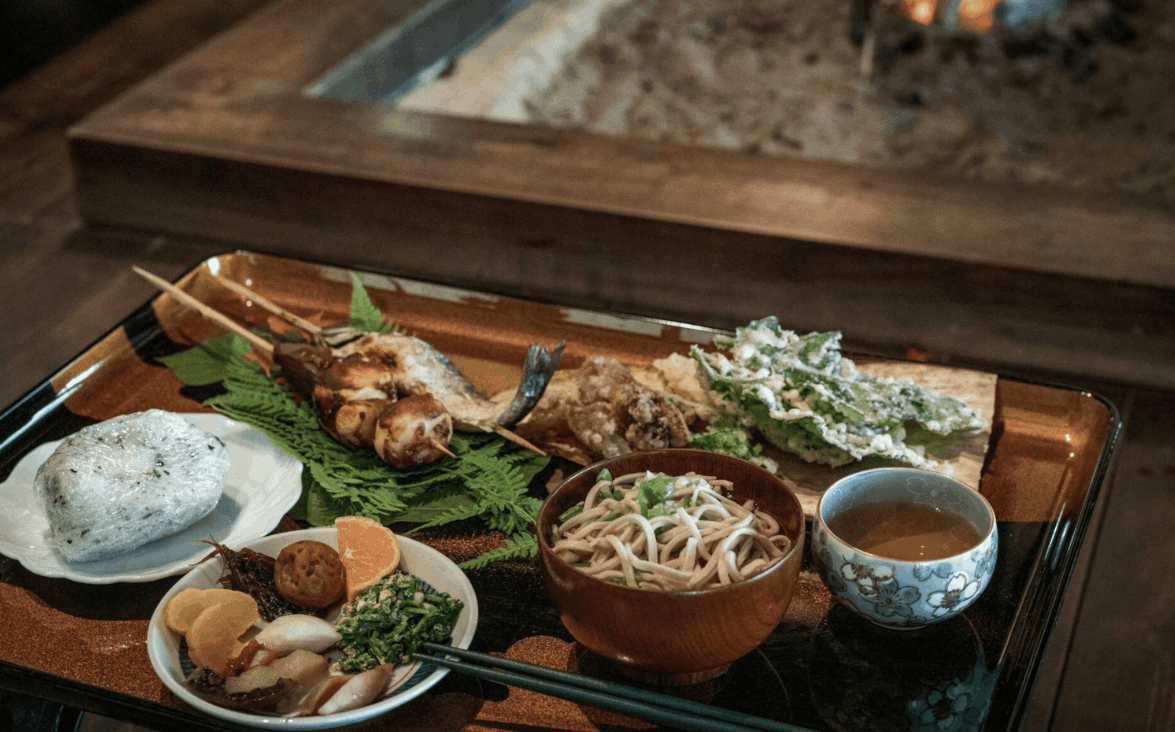
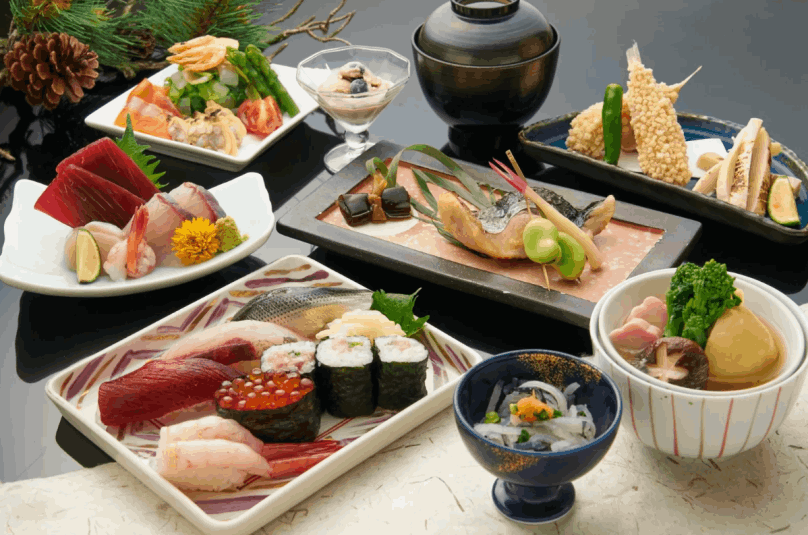
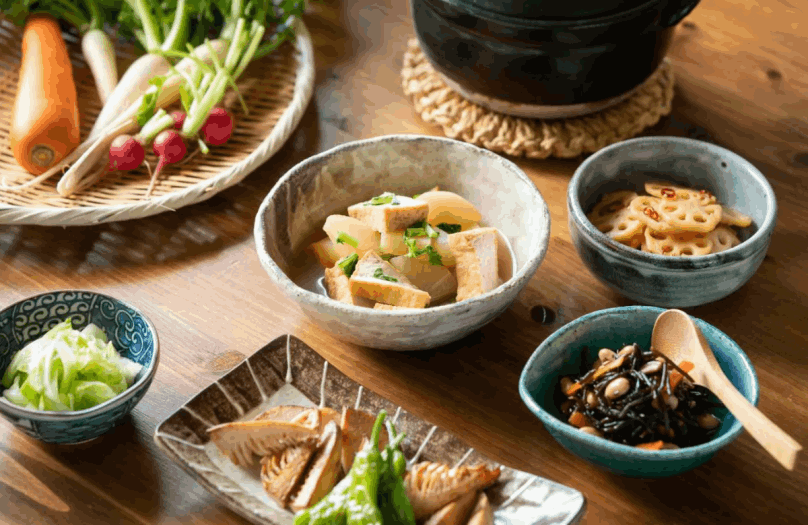
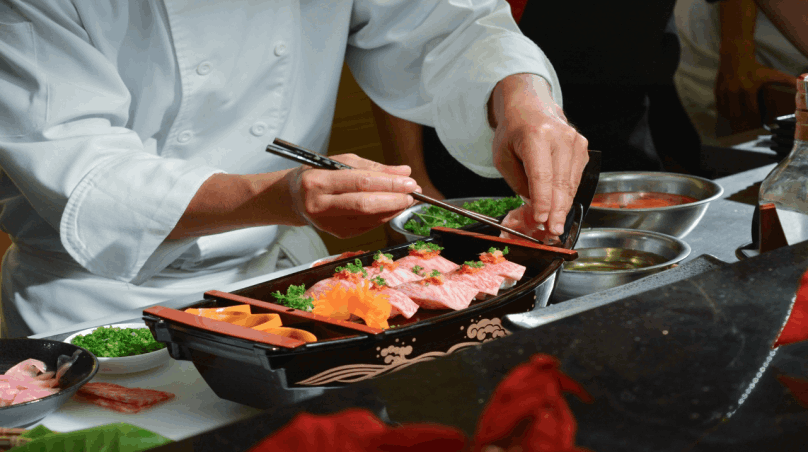
Umami Horizon explores sushi culture, ramen, wagashi sweets, street food, and seasonal cuisine through informative stories, culinary traditions, and cultural insights inspired by everyday life in Japan.
Umami Horizon is a noncommercial cultural blog dedicated to sharing knowledge about Japanese culinary traditions in an informative and neutral format. Our articles explore sushi culture, ramen, wagashi sweets, street food, and seasonal cuisine while highlighting the traditions, craftsmanship, and social experiences connected to food across Japan.
We focus on regional culinary customs, seasonal ingredients, dining etiquette, and cultural storytelling that help readers better understand how Japanese food traditions evolved over time. Sushi culture reflects precision and simplicity, ramen demonstrates regional creativity and comfort, while wagashi sweets express artistic ideas connected to changing seasons. Street food introduces the atmosphere of festivals and local gatherings, and seasonal cuisine reveals the close relationship between nature and daily life.
01
Umami Horizon approaches sushi culture, ramen, wagashi sweets, street food, and seasonal cuisine through historical context, regional traditions, and cultural storytelling. Instead of focusing only on recipes or trends, the blog explains how food traditions developed across generations and how they continue to influence modern Japanese life. Readers can explore culinary customs, seasonal events, local ingredients, and dining experiences in a calm and educational environment designed for cultural appreciation.
02
Every article on Umami Horizon is written in a balanced and noncommercial tone. Topics related to sushi culture, ramen, wagashi sweets, street food, and seasonal cuisine are presented as educational material intended to encourage curiosity and understanding. The blog avoids promotional language and focuses on informative storytelling that highlights culinary traditions, craftsmanship, regional identity, and the relationship between food and everyday life throughout Japan.
03
Umami Horizon highlights how sushi culture, ramen, wagashi sweets, street food, and seasonal cuisine vary across regions and seasons in Japan. Readers can discover how ingredients, flavors, and dining customs change throughout the year and how local communities preserve culinary traditions connected to climate, celebrations, and seasonal harvests. This approach creates a broader understanding of Japanese food culture and the importance of nature within traditional cuisine.
Kyoto is often associated with quiet temples, narrow stone streets, and carefully preserved traditions, yet one of the most memorable parts of the city is its culinary atmosphere. Food in Kyoto reflects a deep appreciation for seasonality, balance, and presentation that has influenced Japanese cuisine for generations. Visitors exploring local neighborhoods quickly discover how sushi culture, ramen, wagashi sweets, street food, and seasonal cuisine exist together as part of everyday life. Each dish and ingredient carries meaning connected to weather, festivals, history, and the changing rhythm of the year.
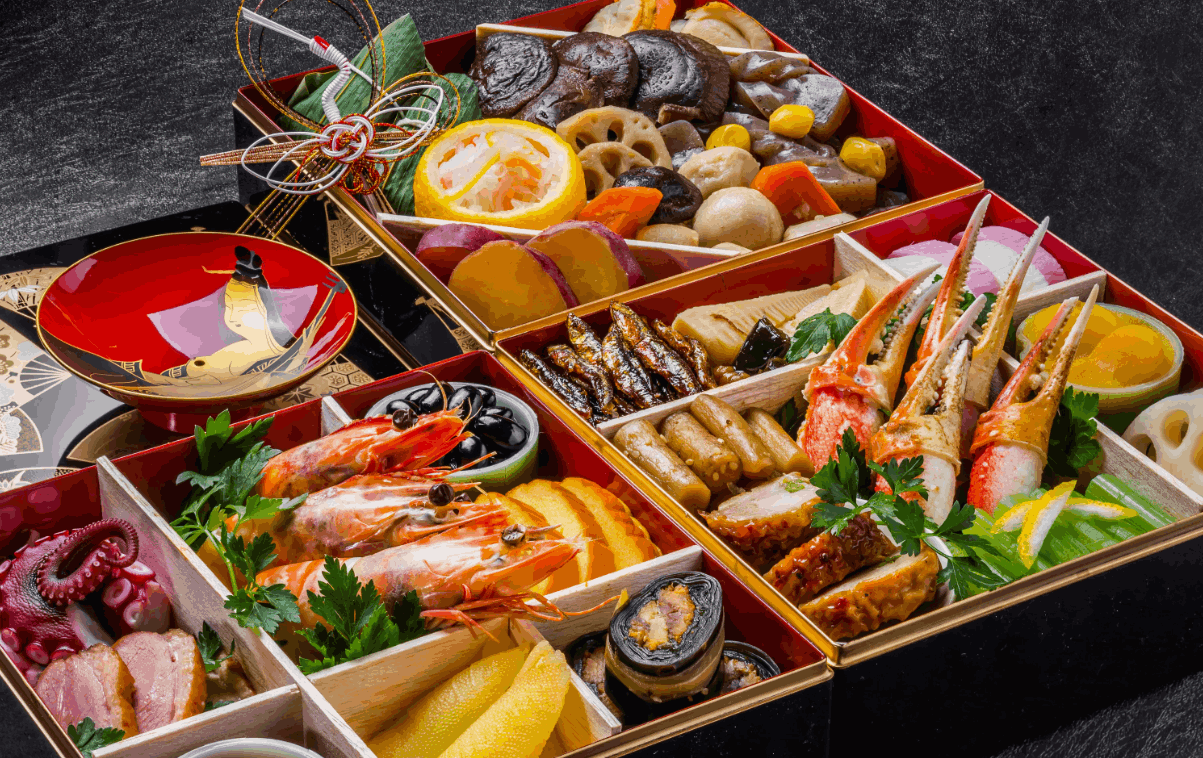
Japanese street food represents more than quick meals prepared in busy public spaces. It reflects local traditions, seasonal celebrations, regional identity, and the social atmosphere of community gatherings throughout Japan. The experience of walking through a crowded festival lined with food stalls combines sound, aroma, movement, and conversation into something deeply connected to everyday cultural life. Alongside sushi culture, ramen, wagashi sweets, and seasonal cuisine.
Ramen has become one of the most recognizable parts of Japanese cuisine, yet its cultural meaning extends far beyond a simple bowl of noodles. Across Japan, ramen reflects regional history, local ingredients, climate conditions, and community traditions that have evolved over generations. While sushi culture, wagashi sweets, street food, and seasonal cuisine each represent different aspects of Japanese culinary identity, ramen occupies a unique place because it combines comfort, creativity, and regional expression in a way that continues to adapt to modern life.
Wagashi sweets occupy a unique place within Japanese culinary traditions because they combine flavor, craftsmanship, symbolism, and seasonal awareness into a single cultural experience. Unlike many desserts that focus primarily on sweetness, wagashi sweets are often created to reflect nature, atmosphere, and the emotional feeling of a particular season. Their delicate appearance, carefully selected ingredients, and connection to traditional customs make them an important part of Japanese cultural identity.
The mission of Umami Horizon is to preserve and share knowledge about Japanese culinary traditions through accessible and educational content. By exploring sushi culture, ramen, wagashi sweets, street food, and seasonal cuisine, we aim to help readers discover the cultural values, local customs, and seasonal inspiration connected to food in Japan.
We believe culinary traditions carry stories about history, creativity, and community life. Sushi culture demonstrates patience and craftsmanship, ramen reflects regional identity and evolving tastes, and wagashi sweets represent the artistic connection between food and nature. Street food traditions create lively social experiences during festivals and public celebrations, while seasonal cuisine highlights respect for natural ingredients and changing weather throughout the year.
Through carefully written articles, Umami Horizon encourages cultural appreciation rather than commercial promotion. Our goal is to create a thoughtful space where sushi culture, ramen, wagashi sweets, street food, and seasonal cuisine can be explored through tradition, history, and everyday experiences that continue to shape Japanese food culture today.
Umami Horizon began as an independent cultural writing project inspired by the atmosphere of local markets, traditional kitchens, and seasonal celebrations throughout Japan. The original concept focused on documenting sushi culture, ramen, wagashi sweets, street food, and seasonal cuisine in a calm and educational format without advertising or commercial messaging.
The first articles explored the origins of sushi culture and the regional diversity of ramen found in different parts of Japan. Over time, the blog expanded to include stories about wagashi sweets, traditional ingredients, local culinary customs, and the vibrant social atmosphere surrounding street food festivals. Seasonal cuisine became an important theme as the project continued to explore how Japanese food traditions change throughout the year.
880 Kaminote, Tamamura, Sawa District, Gunma 370-1127, Japan