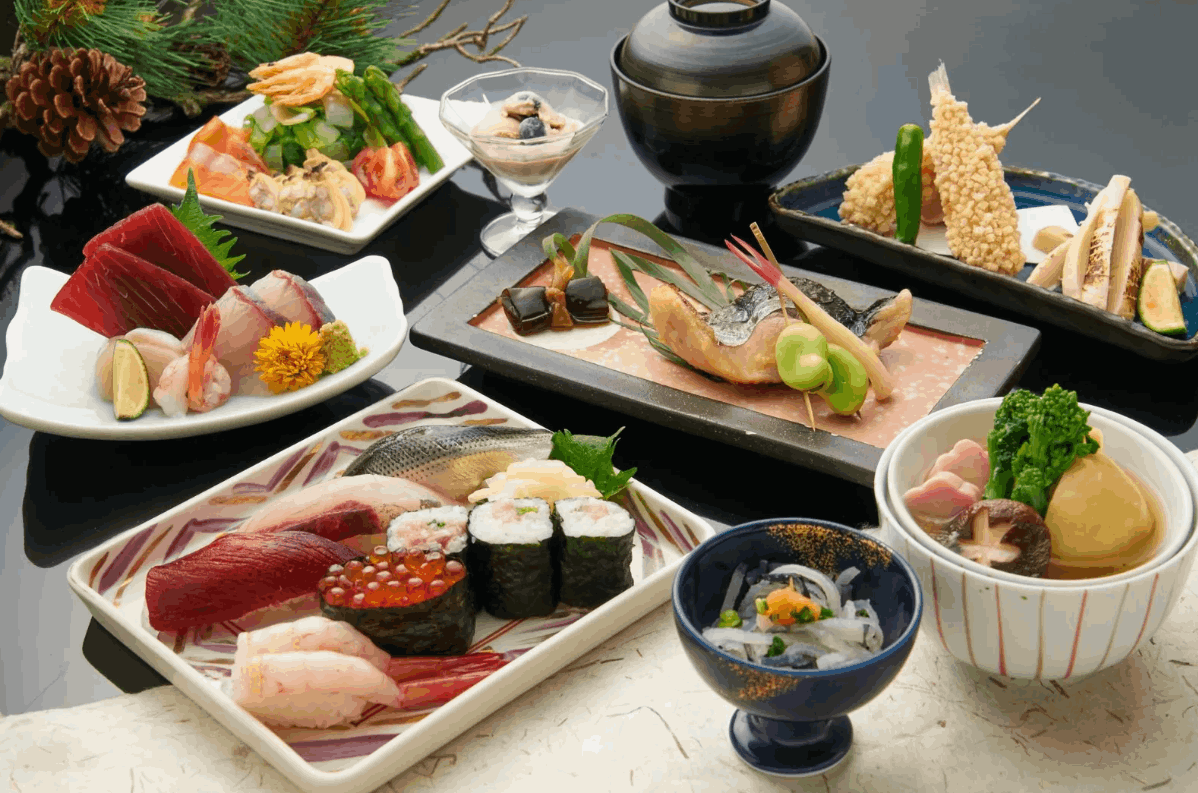
Seasonal Flavors Of Kyoto
Kyoto is often associated with quiet temples, narrow stone streets, and carefully preserved traditions, yet one of the most memorable parts of the city is its culinary atmosphere. Food in Kyoto reflects a deep appreciation for seasonality, balance, and presentation that has influenced Japanese cuisine for generations. Visitors exploring local neighborhoods quickly discover how sushi culture, ramen, wagashi sweets, street food, and seasonal cuisine exist together as part of everyday life. Each dish and ingredient carries meaning connected to weather, festivals, history, and the changing rhythm of the year.
One of the defining elements of Kyoto dining is the importance of seasonal cuisine. Ingredients are selected according to the natural cycle of spring blossoms, humid summers, colorful autumn leaves, and snowy winters. Local markets display vegetables, herbs, and seafood that reflect the current season rather than offering the same products year-round. This attention to nature influences both traditional meals and modern interpretations of Japanese cooking. Even small restaurants and neighborhood kitchens often adjust their menus depending on the season, creating a dining experience closely connected to the surrounding environment.
Sushi culture in Kyoto developed differently from coastal regions known for large seafood markets. Traditional styles often emphasize delicate preparation and preservation techniques that originated centuries ago. Instead of focusing only on freshness, Kyoto sushi culture values subtle flavor combinations and elegant presentation. Local interpretations may include cured fish, lightly seasoned rice, and carefully balanced textures intended to match seasonal ingredients. The atmosphere surrounding sushi culture in Kyoto is calm and refined, reflecting the city’s historical connection to craftsmanship and ceremony.
At the same time, ramen has become an important part of modern culinary life throughout Kyoto. Small ramen shops can be found near busy train stations, quiet residential areas, and university neighborhoods filled with students and travelers. Kyoto-style ramen is often recognized for rich broth, balanced seasoning, and comforting warmth during colder months. While ramen may appear simple at first glance, many local cooks spend years refining broth preparation, noodle texture, and ingredient combinations. The popularity of ramen demonstrates how traditional and contemporary food traditions continue to exist side by side within Japanese culture.
Wagashi sweets provide another important connection between food and seasonal awareness in Kyoto. These carefully crafted traditional sweets are often inspired by flowers, leaves, rivers, and changing weather patterns. During spring, wagashi sweets may resemble cherry blossoms or young plants, while autumn versions often reflect maple leaves and harvest colors. The visual appearance is considered just as important as flavor, creating an experience that combines culinary skill with artistic expression. Tea gatherings and cultural events frequently include wagashi sweets as a symbol of hospitality and appreciation for seasonal beauty.
Street food also contributes to Kyoto’s culinary identity, especially during local festivals and evening markets. The atmosphere surrounding street food stalls is energetic and welcoming, creating opportunities for social interaction and shared experiences. Grilled snacks, savory pancakes, sweet pastries, and warm seasonal treats fill the air with distinctive aromas that attract both residents and visitors. Unlike formal dining spaces, street food areas often feel spontaneous and lively, allowing people to experience another side of Japanese culinary culture connected to celebration and community traditions.
The relationship between street food and seasonal cuisine becomes especially visible during annual festivals. Different ingredients and flavors appear depending on the time of year, and many dishes are prepared only during specific celebrations. This temporary nature makes seasonal cuisine feel meaningful and memorable because certain tastes become connected to personal memories and local events. Kyoto residents often associate particular foods with childhood experiences, holidays, and traditional gatherings that return each year alongside changing weather.
Another interesting aspect of Kyoto food culture is the way older traditions continue to influence younger generations. Students, local families, and independent cooks frequently reinterpret sushi culture, ramen, wagashi sweets, street food, and seasonal cuisine while still respecting traditional ideas. Small cafés and neighborhood kitchens may introduce modern presentation styles or creative ingredient combinations without abandoning the cultural values connected to Japanese dining traditions. This balance between preservation and adaptation helps Kyoto maintain its culinary identity while continuing to evolve.
Walking through Kyoto during different seasons reveals how strongly food is connected to atmosphere and environment. In spring, people gather beneath blooming trees while enjoying light seasonal cuisine and delicate wagashi sweets. Summer evenings bring busy street food stalls and refreshing noodle dishes served in shaded alleyways. Autumn introduces deeper flavors, warm ramen, and ingredients inspired by harvest traditions, while winter encourages comforting meals shared in quiet interiors protected from cold weather. Every season changes not only the appearance of the city, but also the flavors people experience in daily life.
Kyoto remains one of the most fascinating places to explore Japanese culinary traditions because food is treated as more than nourishment alone. Sushi culture reflects patience and balance, ramen represents comfort and creativity, wagashi sweets express artistic sensitivity, and street food celebrates social energy and seasonal events. Together, these traditions create a rich culinary atmosphere shaped by history, nature, and community life. Seasonal cuisine continues to connect people with the passing of time, reminding both residents and visitors that food can preserve cultural identity while creating meaningful everyday experiences.