Regional Stories Through Ramen
Ramen has become one of the most recognizable parts of Japanese cuisine, yet its cultural meaning extends far beyond a simple bowl of noodles. Across Japan, ramen reflects regional history, local ingredients, climate conditions, and community traditions that have evolved over generations. While sushi culture, wagashi sweets, street food, and seasonal cuisine each represent different aspects of Japanese culinary identity, ramen occupies a unique place because it combines comfort, creativity, and regional expression in a way that continues to adapt to modern life.
One of the most fascinating aspects of ramen is how strongly it changes from one region to another. Different cities and prefectures developed their own interpretations based on available ingredients, weather patterns, and local preferences. In colder northern regions, ramen often features richer broth and hearty textures designed to provide warmth during long winters. Coastal communities may incorporate seafood flavors connected to local fishing traditions, while inland areas sometimes emphasize soy-based seasoning and lighter preparation styles. These regional differences transformed ramen into more than a popular meal. It became a reflection of local identity and culinary history.
The atmosphere surrounding ramen shops also varies depending on location and community culture. In large urban areas, compact noodle counters often operate late into the evening, serving workers, students, and travelers looking for a warm meal after long days. Smaller towns may have family-owned ramen shops that preserve recipes and preparation methods practiced for decades. The experience of eating ramen is closely connected to the environment itself, including narrow streets, steaming kitchens, and conversations shared across small dining spaces. This strong connection between place and food helps explain why ramen continues to hold cultural importance throughout Japan.
Although ramen is sometimes viewed as modern compared to sushi culture or wagashi sweets, many ramen traditions now carry deep historical significance. Local cooks spend years refining broth preparation, balancing seasoning, and selecting ingredients that represent regional tastes. Attention to detail remains essential even in busy noodle shops where meals are prepared quickly. This dedication to craftsmanship mirrors values found within sushi culture, where precision and patience are equally important. Both traditions demonstrate how Japanese cuisine often combines simplicity with careful technique.
Seasonal cuisine also influences ramen in subtle but meaningful ways. During colder seasons, richer broths and warming ingredients become more common, while lighter flavors may appear during warmer months. Some ramen shops adjust toppings and side dishes according to local harvests or seasonal ingredients available throughout the year. These changes help ramen remain connected to the natural rhythm of Japanese culinary traditions rather than existing as a fixed or unchanging dish. Seasonal cuisine encourages both cooks and diners to appreciate the passing of time through flavor and atmosphere.
Ramen culture also exists alongside the lively traditions associated with street food. In busy neighborhoods and during festivals, temporary noodle stalls sometimes appear beside lantern-lit pathways filled with visitors enjoying seasonal celebrations. The combination of steam, aroma, conversation, and movement creates an atmosphere that feels deeply connected to community life. Street food environments often introduce people to regional ramen styles while preserving local culinary customs through public gatherings and shared experiences.
Another important element of ramen culture is its accessibility. Unlike some formal dining traditions, ramen is enjoyed by people from many different backgrounds and generations. Students gather in small noodle shops after classes, office workers stop for quick meals during busy evenings, and travelers search for regional specialties while exploring unfamiliar towns. This widespread popularity allowed ramen to become both an everyday comfort food and a symbol of regional pride. The simplicity of the dish makes it approachable, while the depth of regional variation gives it cultural richness and complexity.
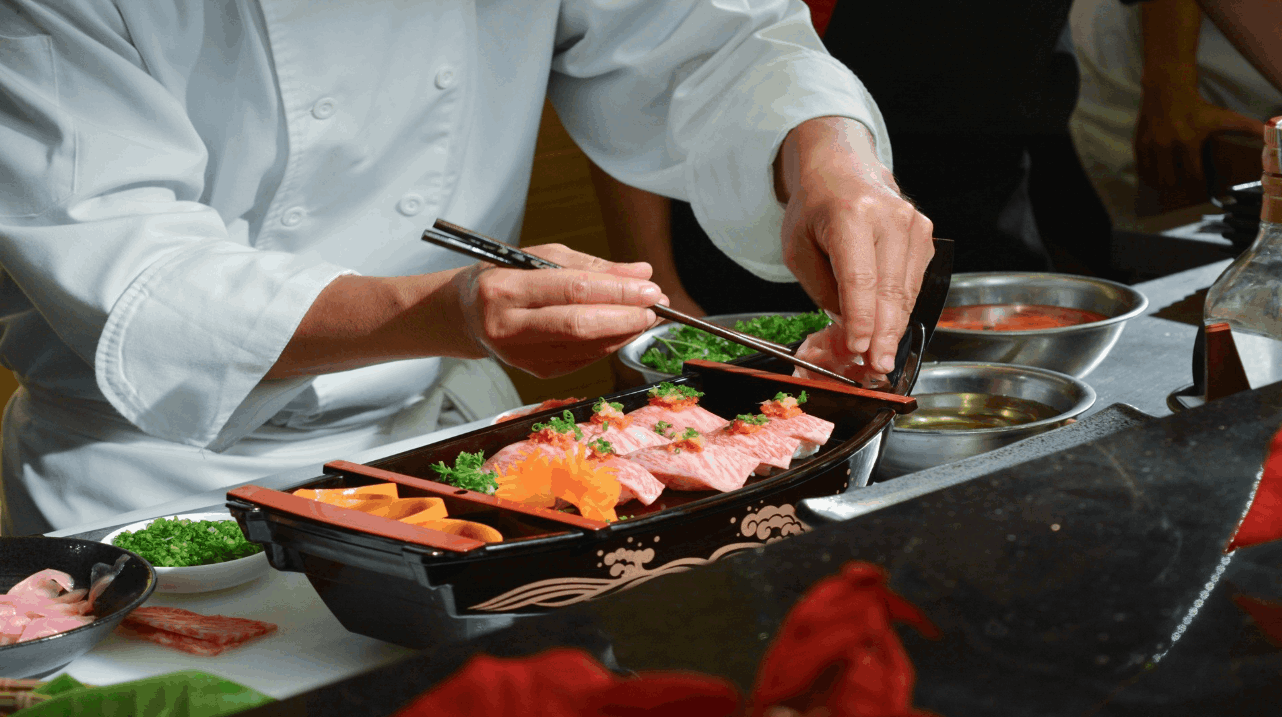
Visual presentation also contributes to the identity of ramen. While ramen may appear casual compared to the artistic refinement of wagashi sweets, many cooks carefully arrange toppings, colors, and textures to create balance within each bowl. Ingredients are selected not only for flavor but also for visual harmony and seasonal relevance. Fresh herbs, sliced vegetables, marinated eggs, and regional garnishes all contribute to the atmosphere of the meal. This attention to appearance reflects broader Japanese culinary values where presentation is closely connected to the dining experience itself.
The popularity of ramen outside Japan has also increased global curiosity about regional Japanese cuisine. However, many visitors are surprised to discover how much variety exists within ramen traditions alone. Traveling between regions reveals entirely different approaches to broth, noodles, seasoning, and preparation methods. Some areas are known for thick and rich flavors, while others prefer lighter and more delicate combinations. These differences demonstrate how local geography and cultural history continue to influence Japanese food traditions today.
Despite modernization and changing lifestyles, ramen continues to preserve connections to community memory and local identity. Older generations often associate certain ramen shops with childhood experiences or family traditions, while younger cooks experiment with new interpretations inspired by regional heritage. This balance between preservation and adaptation allows ramen culture to remain dynamic without losing its historical roots. The same pattern can be seen in sushi culture, wagashi sweets, street food, and seasonal cuisine, all of which continue evolving while maintaining strong cultural foundations.
Ramen represents far more than a convenient meal served in busy restaurants or small neighborhood shops. It tells stories about climate, migration, craftsmanship, and regional pride that developed throughout Japanese history. Alongside sushi culture, wagashi sweets, street food, and seasonal cuisine, ramen helps create a broader understanding of how food traditions shape identity and everyday life in Japan. Each bowl reflects not only flavor and technique, but also the atmosphere, memory, and cultural experiences connected to the region where it was created.